Fortnite: How a Battle Royale Game Changed Online Gaming, Creativity, and Player Experiences
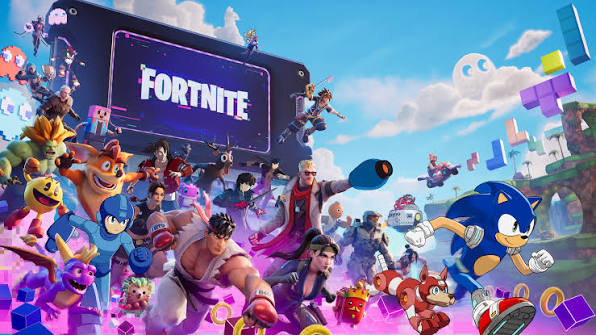
Introduction: The Evolution of Fortnite Into a Global Gaming Phenomenon
Fortnite is one of the most influential online games of the modern gaming era. Originally introduced as a cooperative survival game, Fortnite transformed into a worldwide phenomenon after the launch of its Battle Royale mode. The game combined fast-paced combat, creative building mechanics, seasonal updates, and social experiences to create a style of gameplay that attracted millions of players.
Unlike traditional shooter games that focus mainly on combat, Fortnite introduced a unique combination of strategy, creativity, and competition. Players must not only defeat opponents but also manage resources, build defensive structures, adapt to changing situations, and make quick decisions under pressure.
Over time, Fortnite became more than a video game. It developed into a digital entertainment platform featuring live events, virtual concerts, collaborations with popular brands, and a creator ecosystem where players can design their own experiences.
This article explores Fortnite’s history, gameplay systems, competitive elements, creative features, community influence, and its impact on the future of online gaming.
1. The Origins and Development of Fortnite
1.1 The Early Vision Behind Fortnite
Fortnite was developed by Epic Games and was first introduced in 2017. The original concept focused on cooperative survival gameplay where players worked together to defend structures against waves of enemies.
The early version of Fortnite, known as Save the World, combined resource gathering, construction, and team-based survival. Players collected materials, created defensive structures, and cooperated to complete missions.
Although the original concept had potential, Fortnite gained worldwide attention after the introduction of Fortnite Battle Royale.
1.2 The Rise of Fortnite Battle Royale
Fortnite Battle Royale introduced a competitive format where players competed against each other on a large island until only one player or team remained.
The mode quickly became popular because it combined familiar battle royale mechanics with Fortnite’s unique building system.
Key elements included:
- Large-scale multiplayer matches.
- Randomized loot collection.
- Shrinking play areas.
- Resource gathering.
- Real-time building.
The combination of shooting and construction created gameplay unlike other battle royale titles.
1.3 Continuous Updates and Seasonal Content
One reason Fortnite remained successful was its constantly changing environment. Instead of releasing a fixed game and leaving it unchanged, Epic Games introduced regular updates that modified maps, added items, and created new gameplay experiences.
Seasonal updates often introduced:
- New locations.
- Limited-time events.
- Special challenges.
- New cosmetic items.
- Gameplay changes.
This approach encouraged players to return frequently to discover what had changed.
2. Understanding Fortnite’s Core Gameplay Mechanics
2.1 The Battle Royale Experience
The basic objective of Fortnite Battle Royale is simple: survive against other players and become the last player or team standing.
Players begin each match by entering the island with minimal equipment. They must quickly search locations, collect weapons, gather resources, and decide when to fight or avoid conflict.
Successful gameplay requires balancing:
- Exploration.
- Combat.
- Positioning.
- Resource management.
- Decision-making.
Every match creates a different experience because locations, opponents, and strategies constantly change.
2.2 The Importance of Building Mechanics
Building is Fortnite’s most recognizable feature. Players can collect materials and instantly create structures during gameplay.
Building can be used for:
- Creating defensive walls.
- Reaching higher locations.
- Protecting teammates.
- Creating strategic advantages.
- Escaping dangerous situations.
The building system adds a layer of creativity and strategy that separates Fortnite from many other competitive games.
2.2.1 Building as a Skill System
Advanced Fortnite players often develop impressive building techniques. These skills require:
- Fast reactions.
- Spatial awareness.
- Resource management.
- Practice and experience.
Building transformed Fortnite into a game where mechanical skill and creativity are equally important.
3. Weapons, Items, and Strategic Decision-Making
3.1 Understanding Fortnite’s Arsenal
Fortnite features a wide range of weapons and items that influence gameplay strategy. Different weapons serve different purposes depending on distance, situation, and player preference.
Weapons commonly include:
- Assault weapons.
- Shotguns.
- Sniper weapons.
- Explosive items.
- Utility equipment.
Choosing the right equipment is an important part of surviving each match.
3.2 Loot Management and Game Decisions
Players must constantly decide which items to keep and which to replace. Inventory management becomes increasingly important as matches progress.
Strategic decisions include:
- Carrying healing items.
- Choosing weapons for different situations.
- Managing ammunition.
- Preparing for final battles.
These choices create a deeper experience beyond simple shooting.
4. Fortnite Creative Mode and Player-Generated Content
4.1 The Expansion Beyond Battle Royale
Fortnite Creative Mode changed how players interacted with the game. Instead of only competing in matches, players could design their own islands and experiences.
Creative Mode allows users to create:
- Custom maps.
- Mini-games.
- Adventure experiences.
- Training areas.
- Social spaces.
This transformed Fortnite from a single competitive game into a broader creative platform.
4.2 The Growth of Fortnite Creators
Many creators use Fortnite tools to design unique experiences and share them with the community.
Creators contribute:
- Custom gameplay ideas.
- New challenges.
- Interactive environments.
- Community events.
This user-generated ecosystem helps Fortnite continue evolving.
5. Fortnite Esports and Competitive Gaming
5.1 The Development of Competitive Fortnite
Fortnite quickly became part of the esports world due to its large player base and competitive structure.
Competitive players focus on:
- Mechanical skills.
- Strategic decisions.
- Team coordination.
- Fast building.
- Tournament preparation.
Professional competitions attract players from around the world.
5.2 Skills Required for High-Level Play
Advanced Fortnite requires more than accuracy. Players must master multiple areas:
- Building speed.
- Editing structures.
- Position control.
- Resource management.
- Game awareness.
The combination of these skills creates a unique competitive environment.