.webp)







Few titles have generated as much attention in recent times as Palworld. At first glance, it appears to follow the familiar creature-collection formula, but the reality is far more complex.
Palworld combines elements of survival gameplay, automation systems, and open-world exploration, creating an experience that feels both familiar and surprisingly unconventional. This hybrid approach has sparked widespread discussion across the gaming community.
A World Where Creatures Are More Than Companions
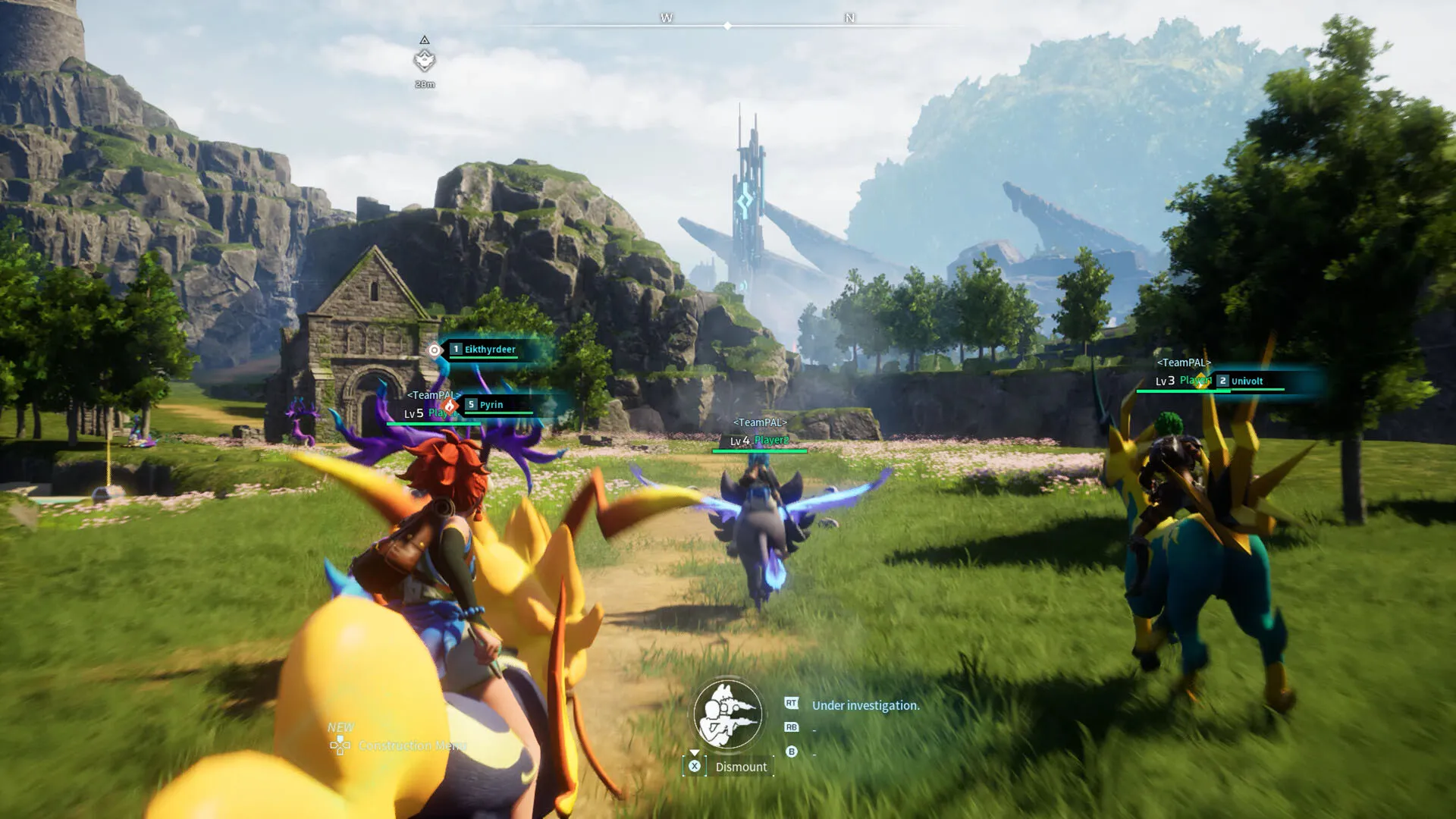
In Palworld, creatures known as “Pals” are not just companions in battle. They are integrated into nearly every aspect of gameplay, from resource gathering to base management.
Players rely on Pals to perform tasks such as farming, crafting, and defending territory. This transforms the relationship between player and creature into something more functional and strategic. Instead of simply collecting them, players must manage and optimize how they are used.
This system adds a layer of depth that goes beyond traditional creature-based games.
Survival Mechanics Meet Automation
At its core, Palworld is a survival game. Players must gather resources, build shelter, and maintain their well-being in a hostile environment. However, what sets it apart is its focus on automation.
As players progress, they can develop systems that allow Pals to handle repetitive tasks. This creates a shift from manual survival to efficient management, similar to simulation and factory-building games.
The result is a gameplay loop that evolves over time, keeping players engaged as their role changes from survivor to strategist.
Controversy and Curiosity
Part of Palworld’s popularity comes from the discussions surrounding its design choices. Its contrast between cute creature aesthetics and darker gameplay elements has sparked debate within the gaming community.
Rather than harming its success, this controversy has increased visibility. Players are drawn to the game not only for its mechanics but also for its unconventional tone.
This blend of charm and unpredictability makes Palworld stand out in a crowded market.
Exploration and Open-World Freedom
The game’s open world encourages players to explore freely. From forests to snowy mountains, each region offers new resources, challenges, and creatures to discover.
There is a strong sense of progression tied to exploration. As players venture further, they unlock new opportunities and expand their capabilities. This constant sense of discovery keeps the experience fresh and engaging.
Multiplayer and Shared Experiences

Palworld also supports multiplayer gameplay, allowing players to build and survive together. This adds a social dimension that enhances the overall experience.
Working with others introduces new strategies and dynamics, whether it’s coordinating resource management or defending against threats. The shared journey strengthens player engagement and creates memorable moments.
A Shift in Genre Expectations
Palworld represents a broader trend in gaming: the blending of genres. By combining survival, crafting, creature collection, and automation, it challenges traditional definitions.
Players are no longer confined to a single type of experience. Instead, they expect flexibility, depth, and systems that evolve over time. Palworld delivers on these expectations by offering a layered and dynamic gameplay structure.
Conclusion: A Bold Direction for Future Games
Palworld is more than just a trending title—it is a sign of where the industry is heading. Its willingness to experiment with mechanics and tone demonstrates that innovation often comes from breaking conventions.
As players continue to seek new and engaging experiences, games like Palworld highlight the importance of creativity and risk-taking. In a rapidly evolving landscape, it stands as a bold example of how combining ideas can lead to something entirely new.